Volcanic Tablelands
December 29, 2025
Materials:
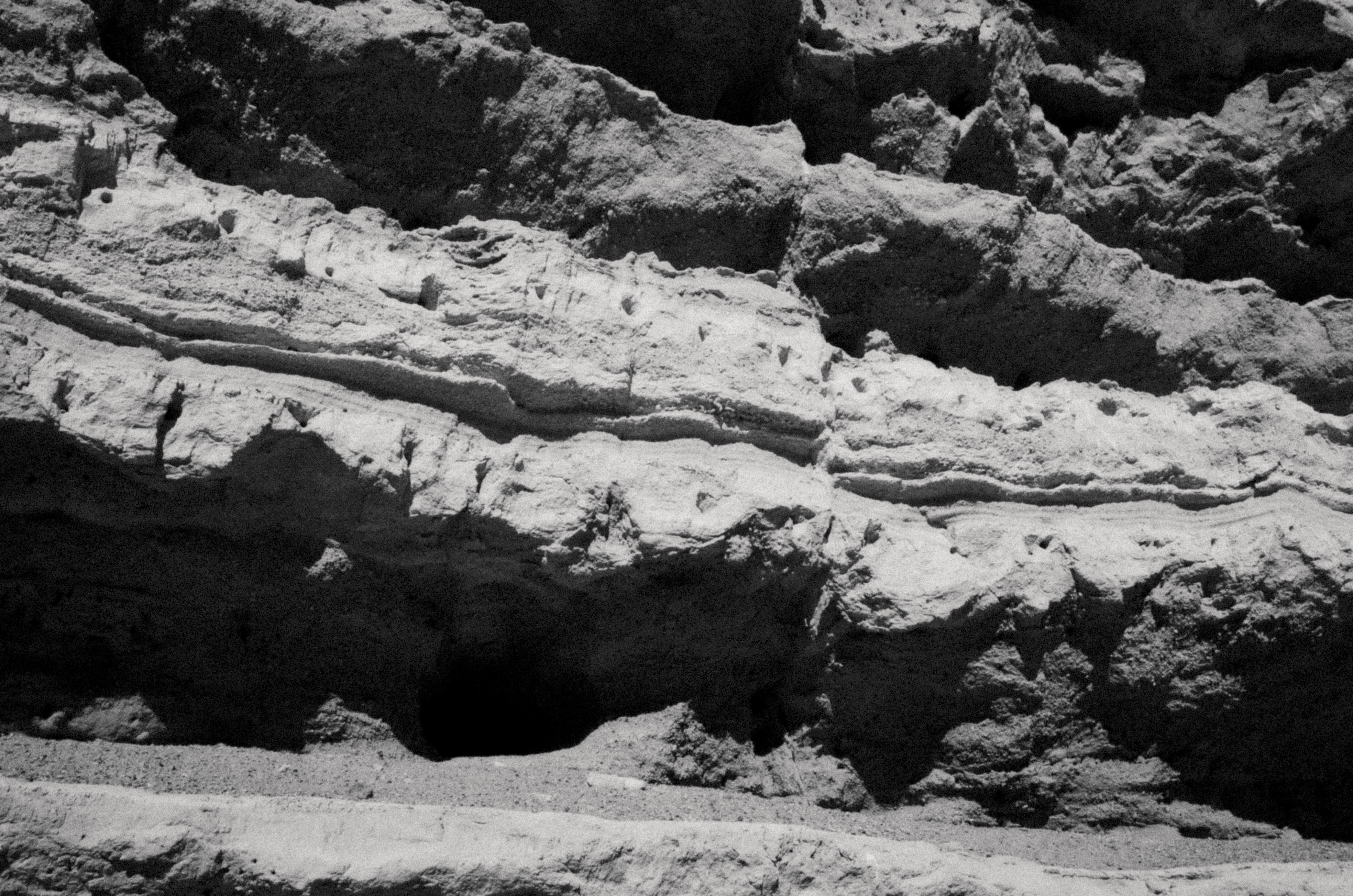
Ancient volcanic ash, decomposed granite
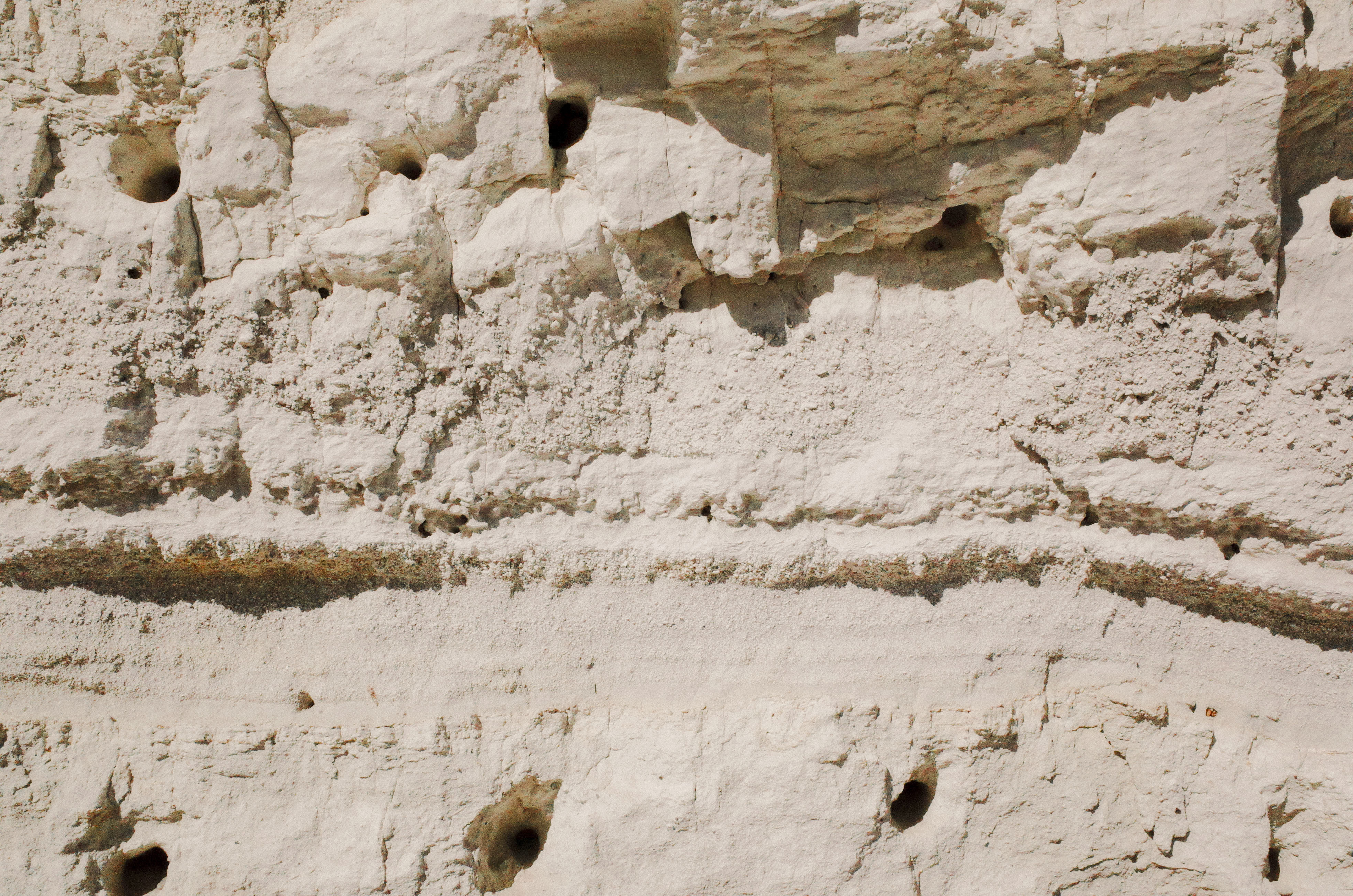
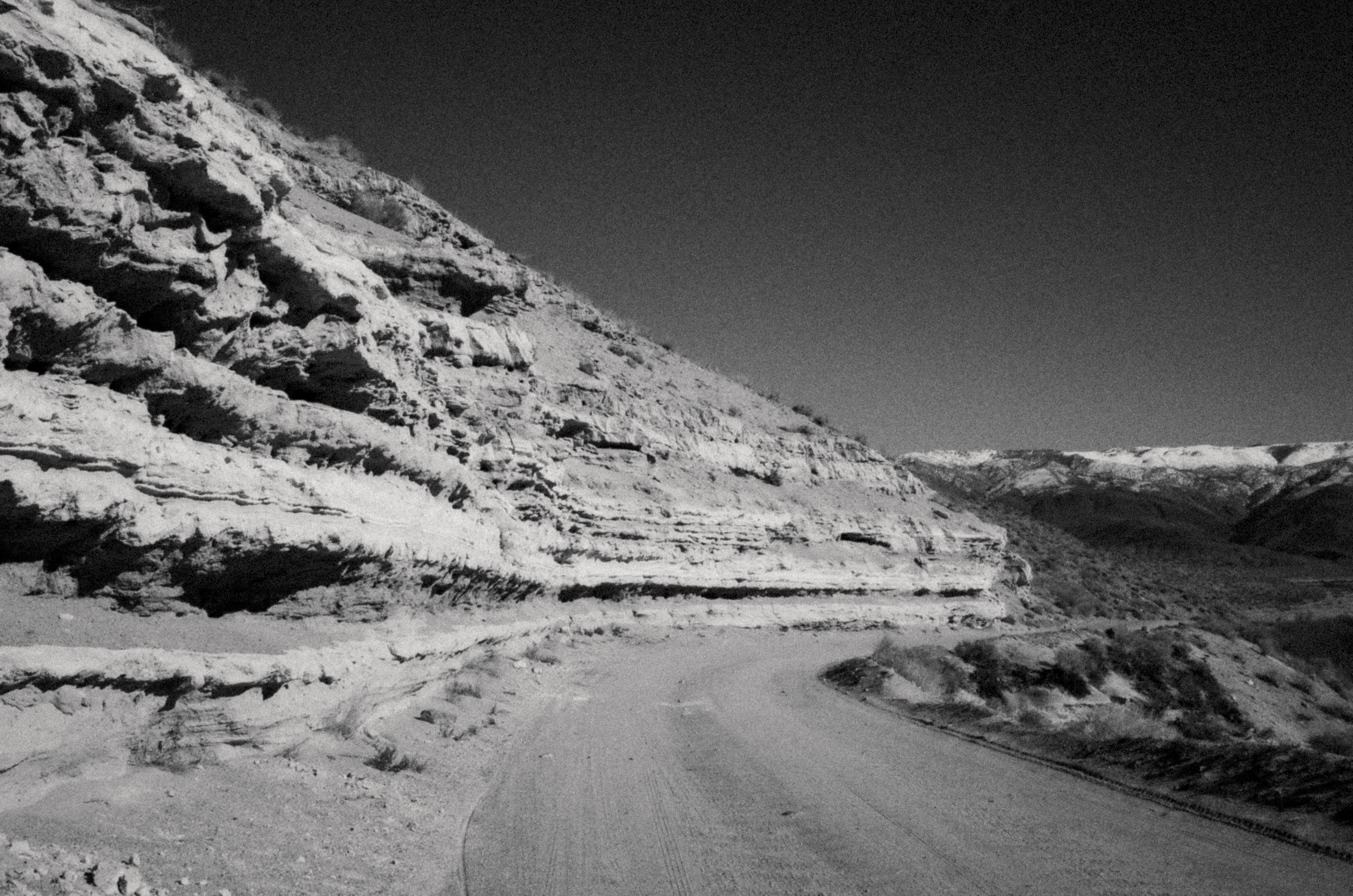
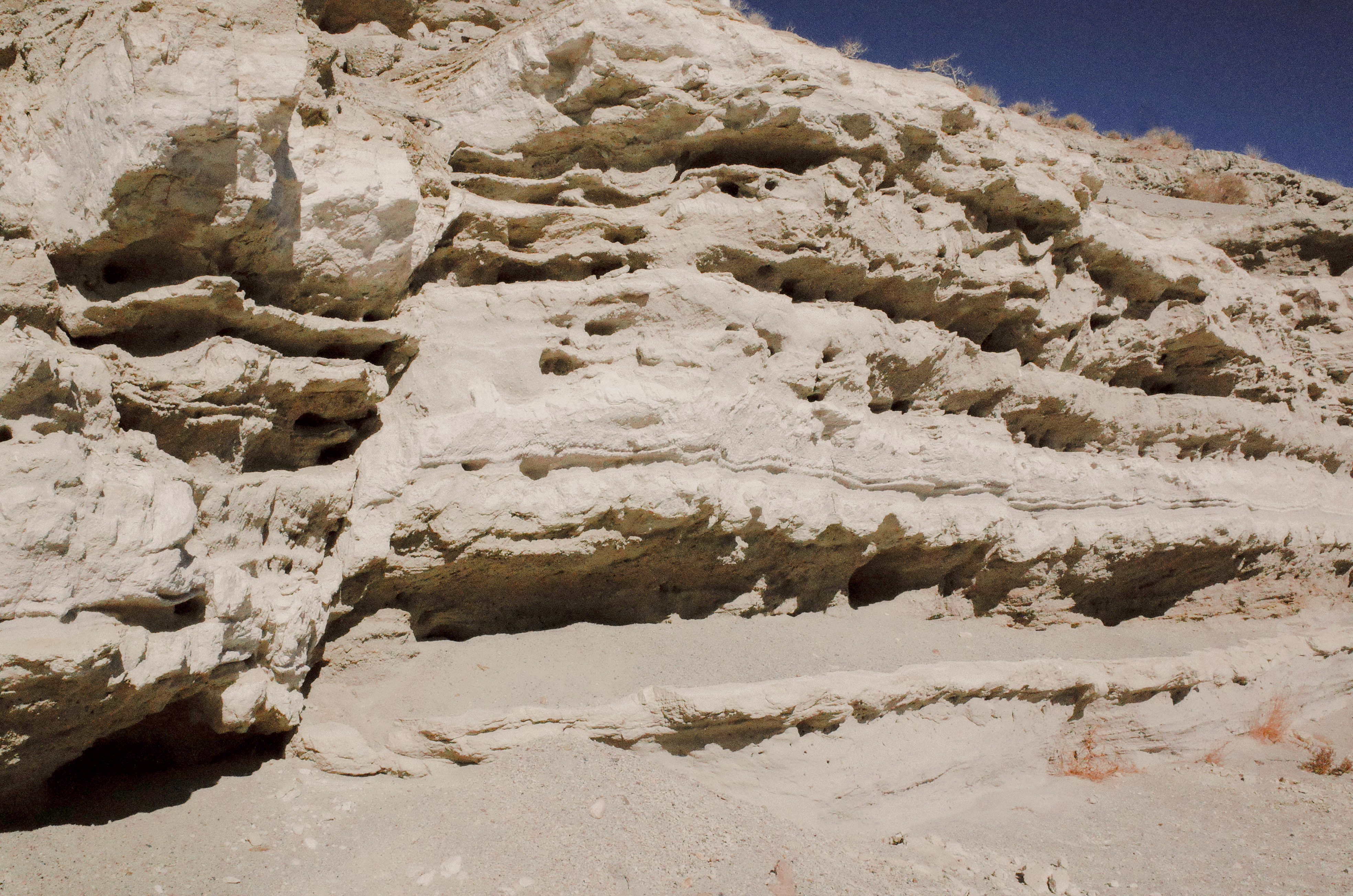
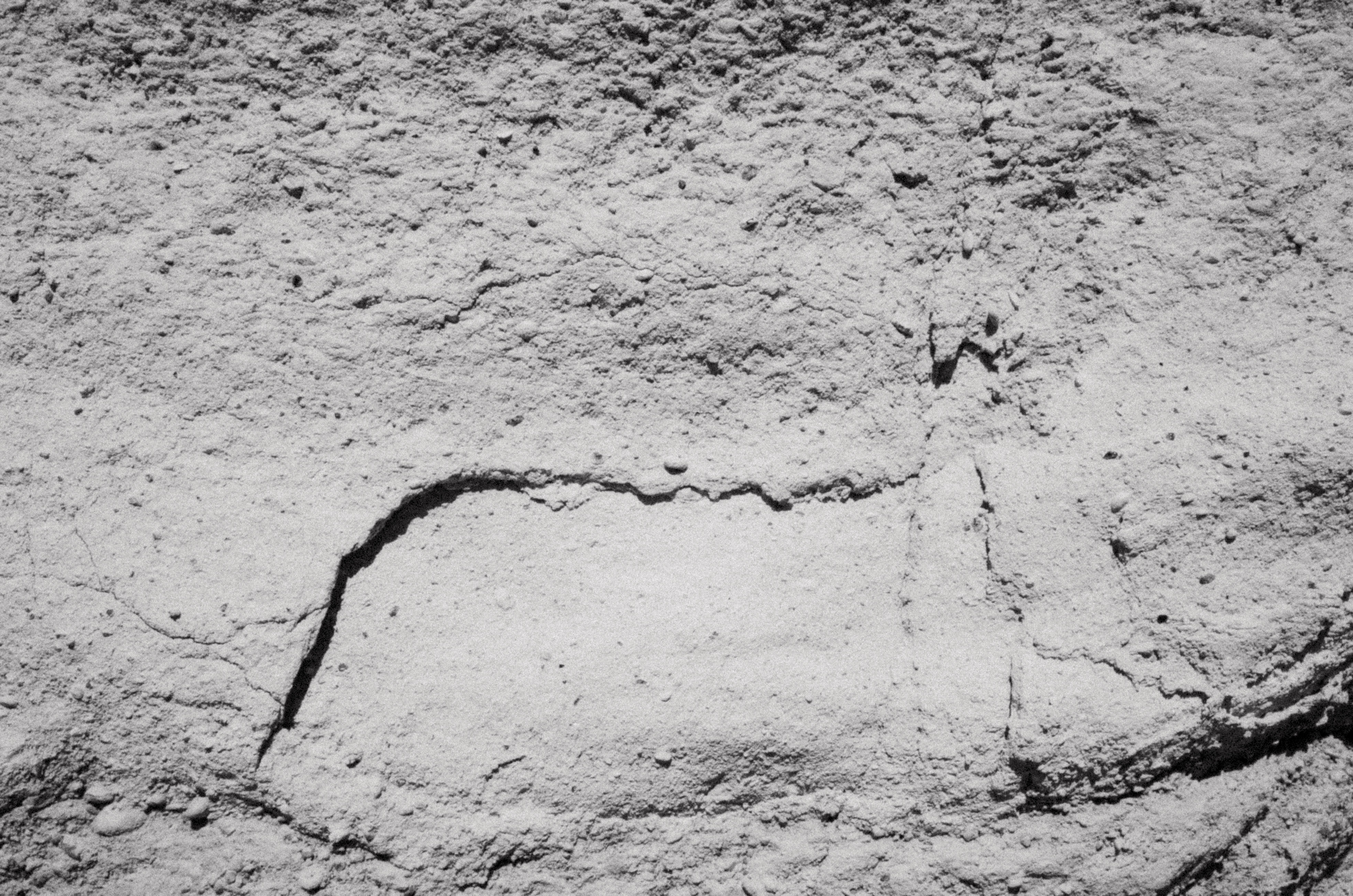
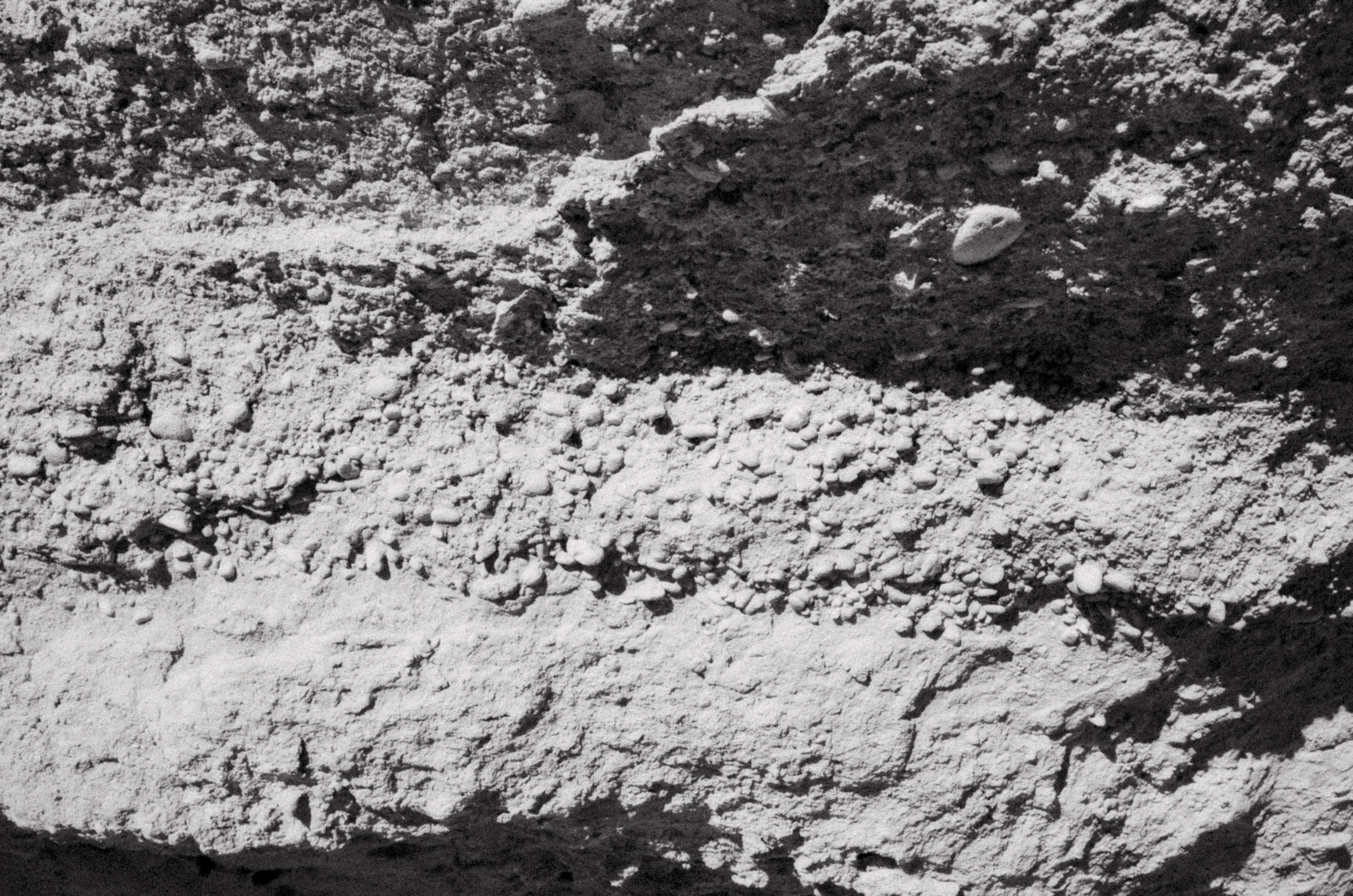
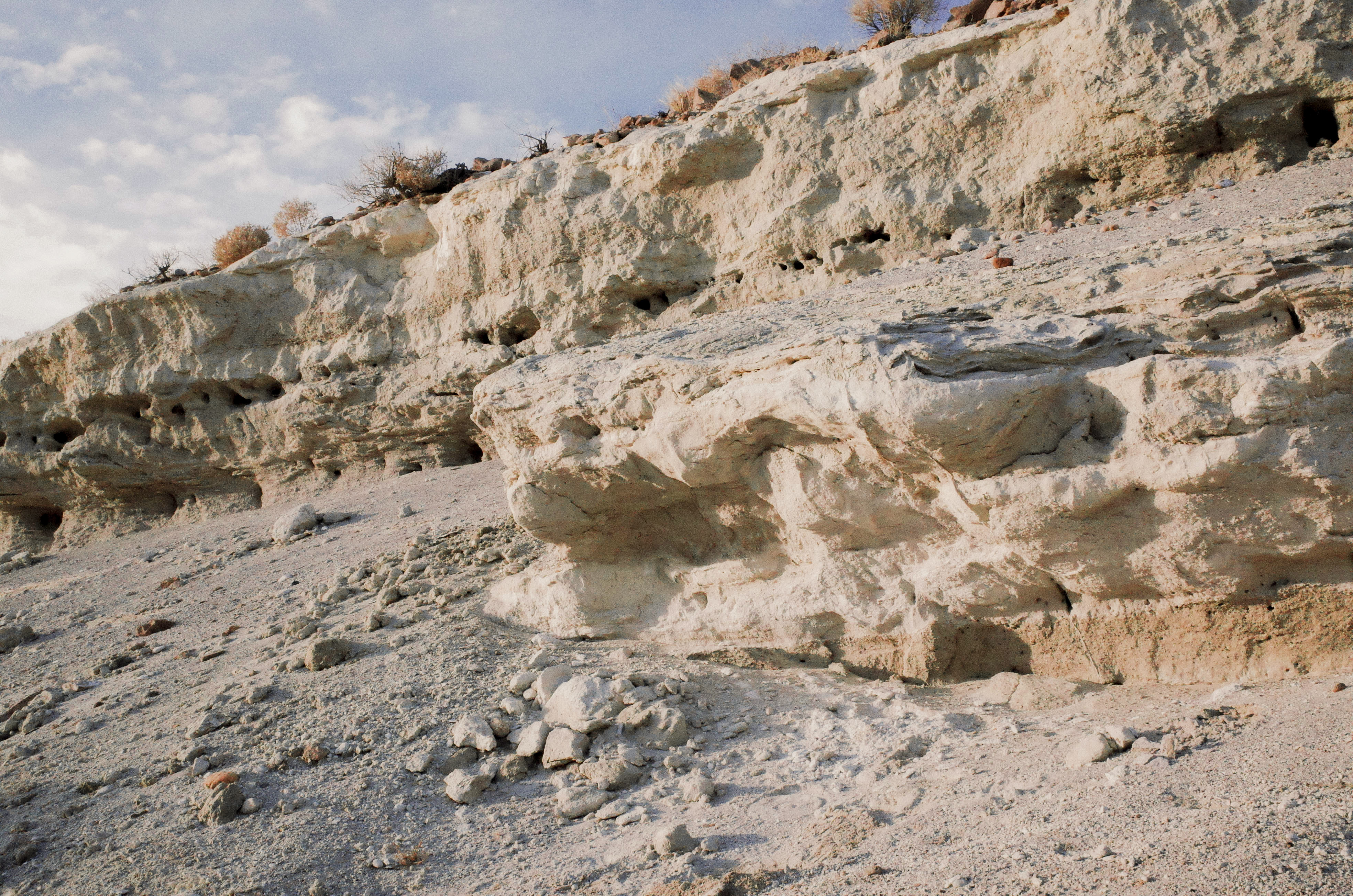
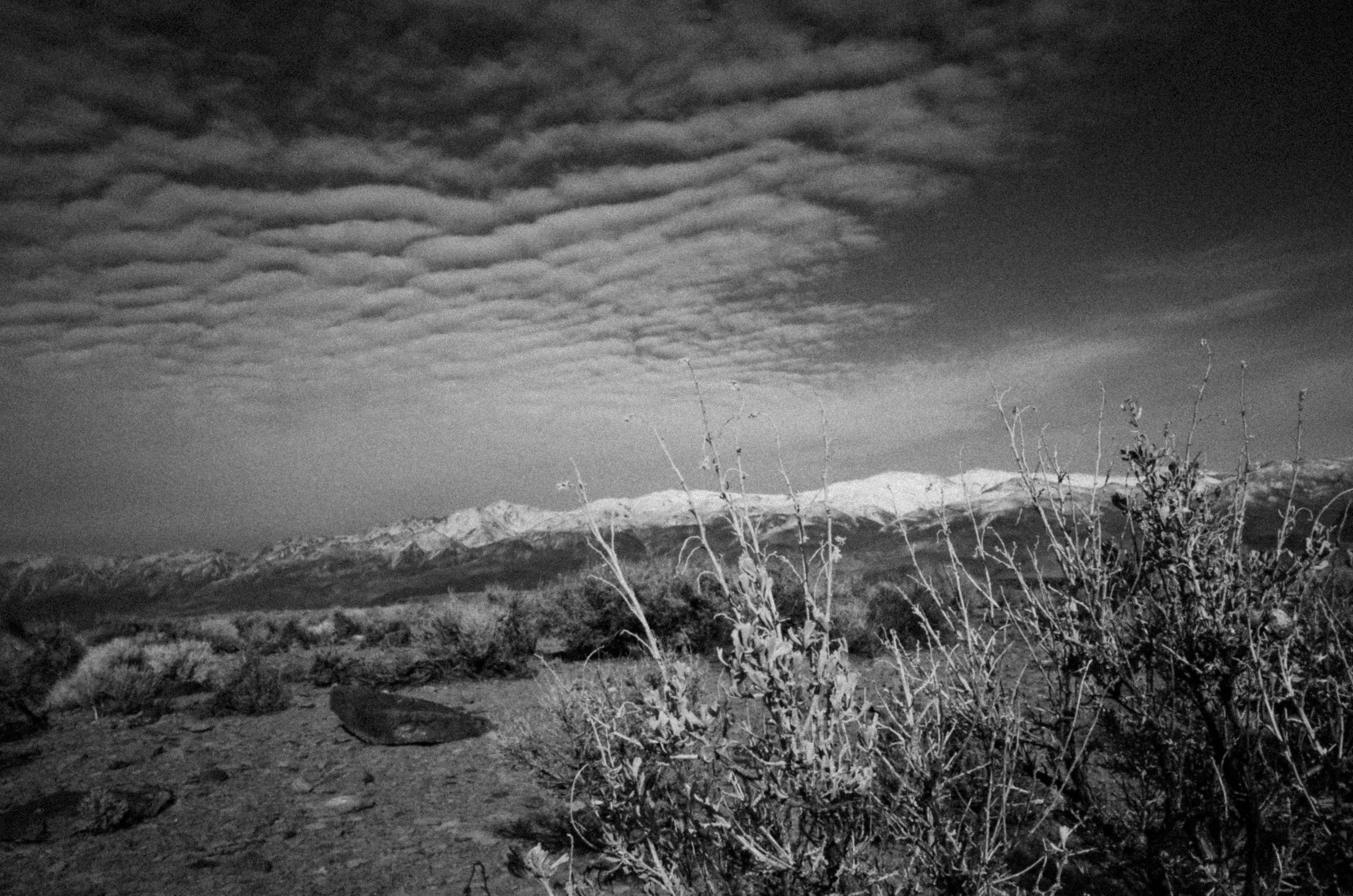
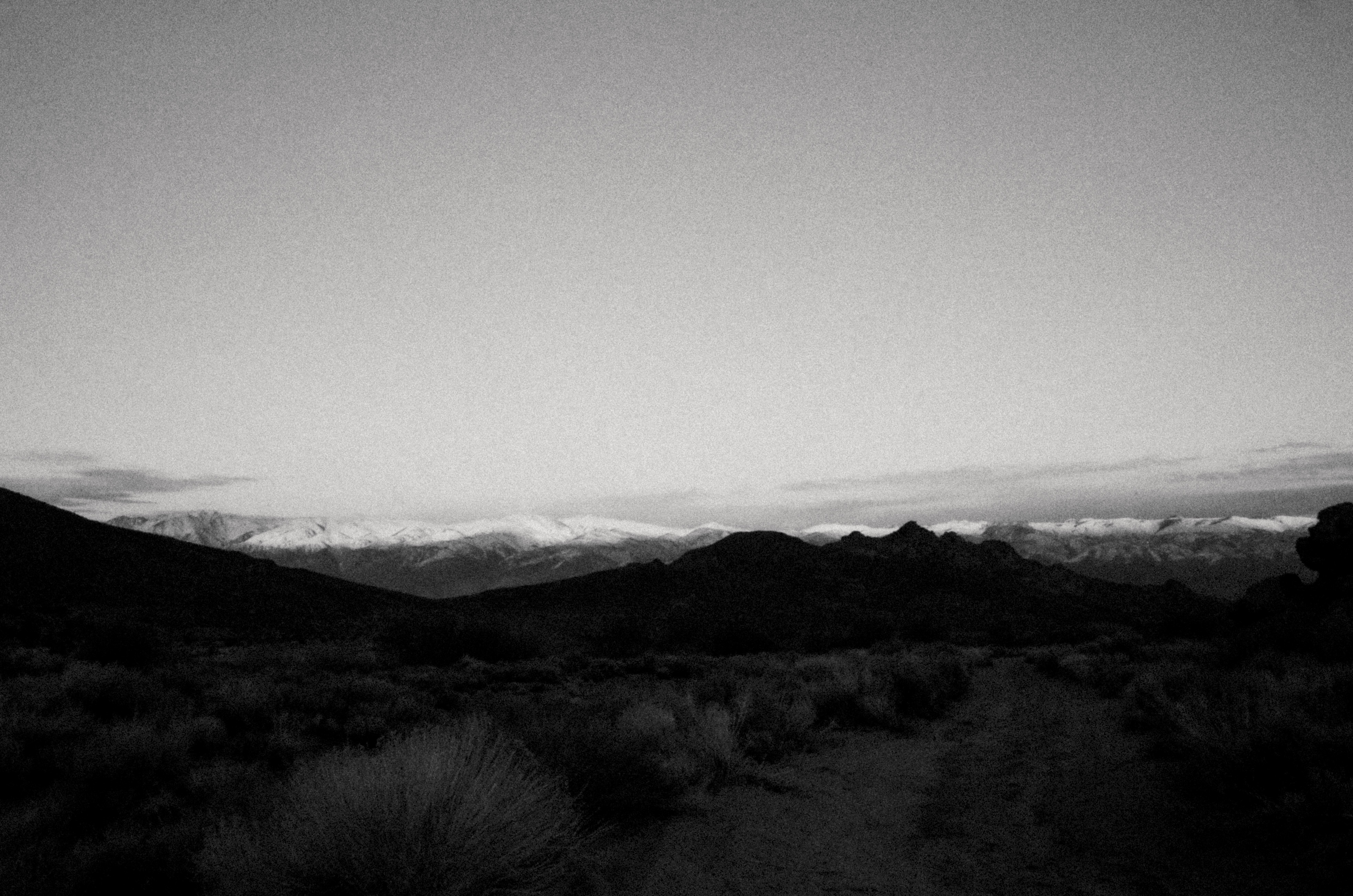
Much of Owens Valley was shaped by intense volcanic activity and tectonic movement hundreds of thousands of years ago. One of the most significant events was a massive eruption from the Long Valley Caldera roughly 760,000 years ago, which blanketed the region in volcanic ash. Over time, this ash compacted into layers of welded volcanic tuff, now known as the Volcanic Tablelands.
The valley itself once held large freshwater lakes fed by glacial melt and mountain runoff. As these lakes slowly dried up, fine sediments settled and compressed, leaving behind clay and clay-bearing rock that are now exposed at the surface in certain areas.
The dramatic formations of the Volcanic Tablelands were shaped by wind, rain, and erosion, which slowly carved into the compacted ash over thousands of years.
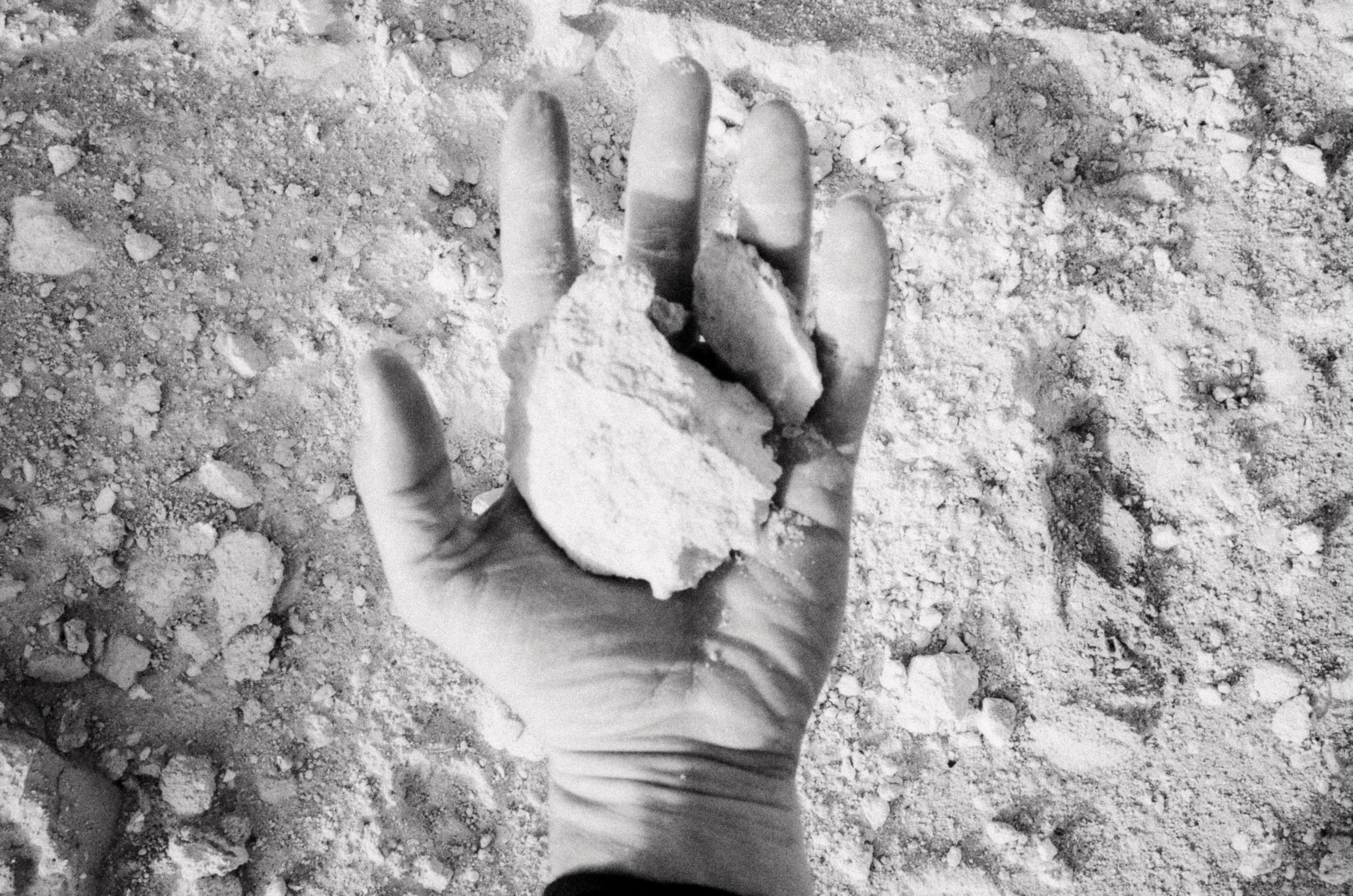
We collected a small amount of this volcanic ash to test in slips. It will be combined with other locally sourced minerals and applied to the surface of the work, unifying clay, granite, and volcanic ash from Owens Valley into a single form — bringing multiple layers of the landscape together into one material expression.