Northern California
December 4, 2025
Materials:
Shale, mudstone, iron-oxide
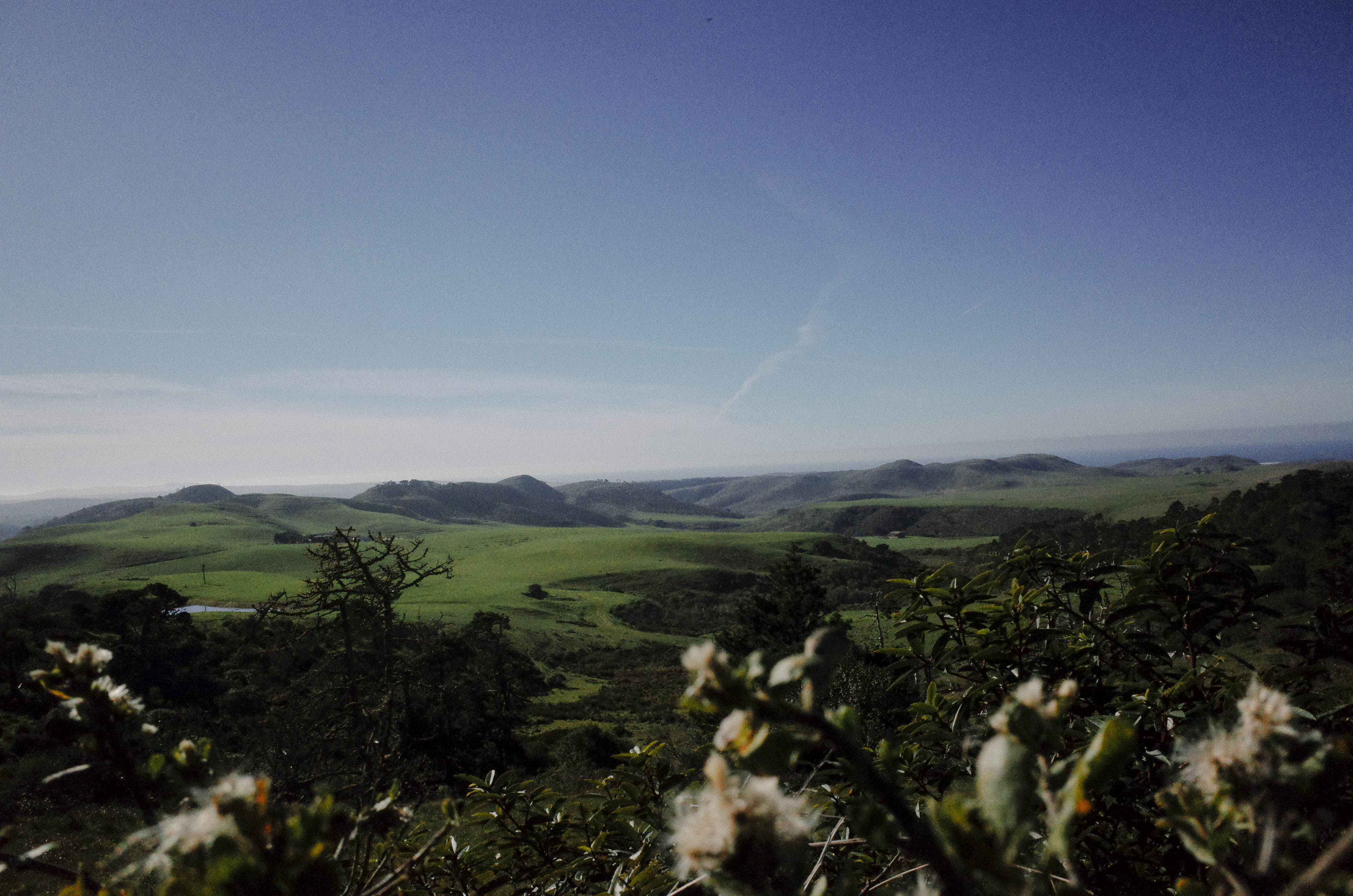
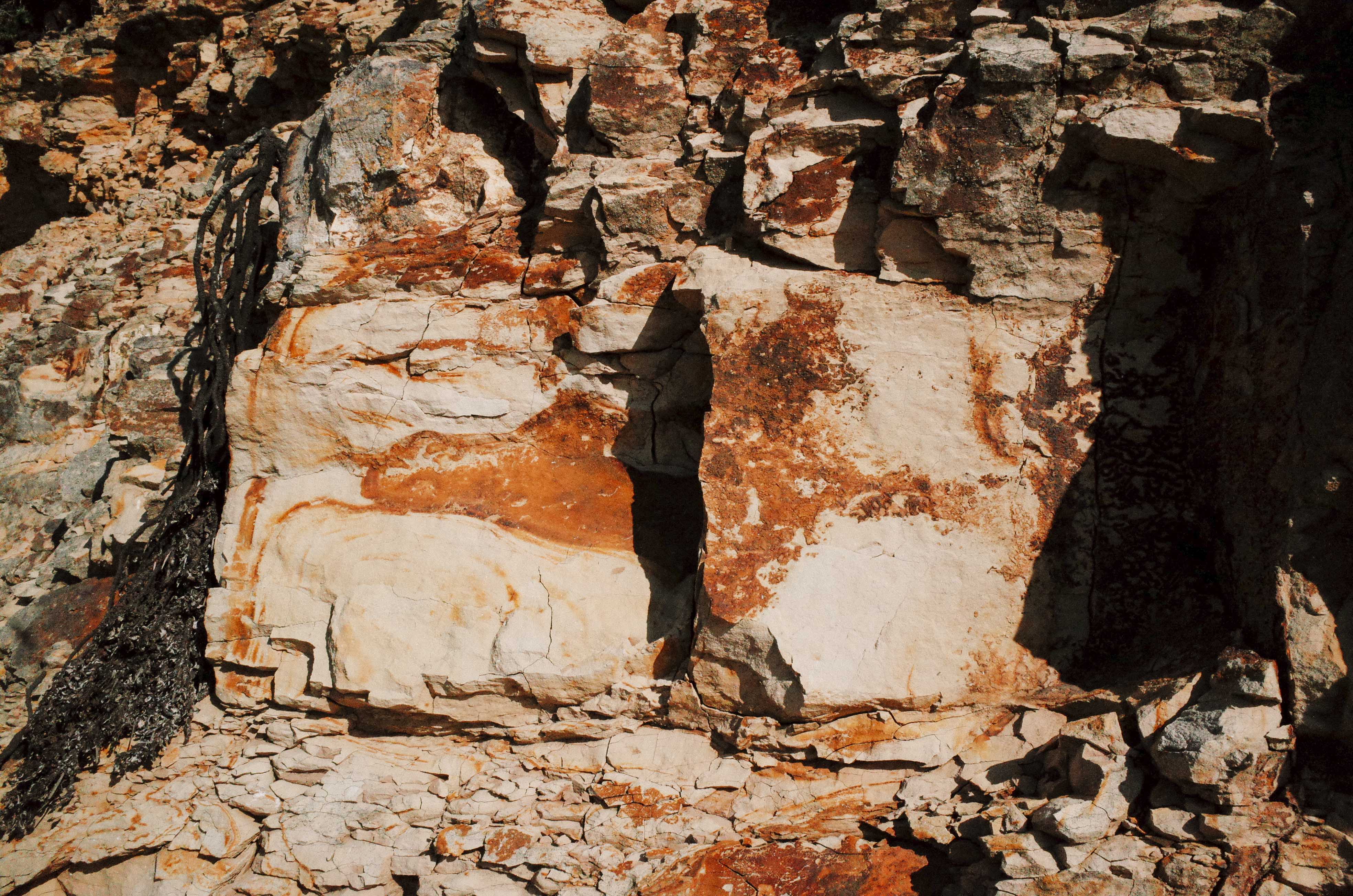
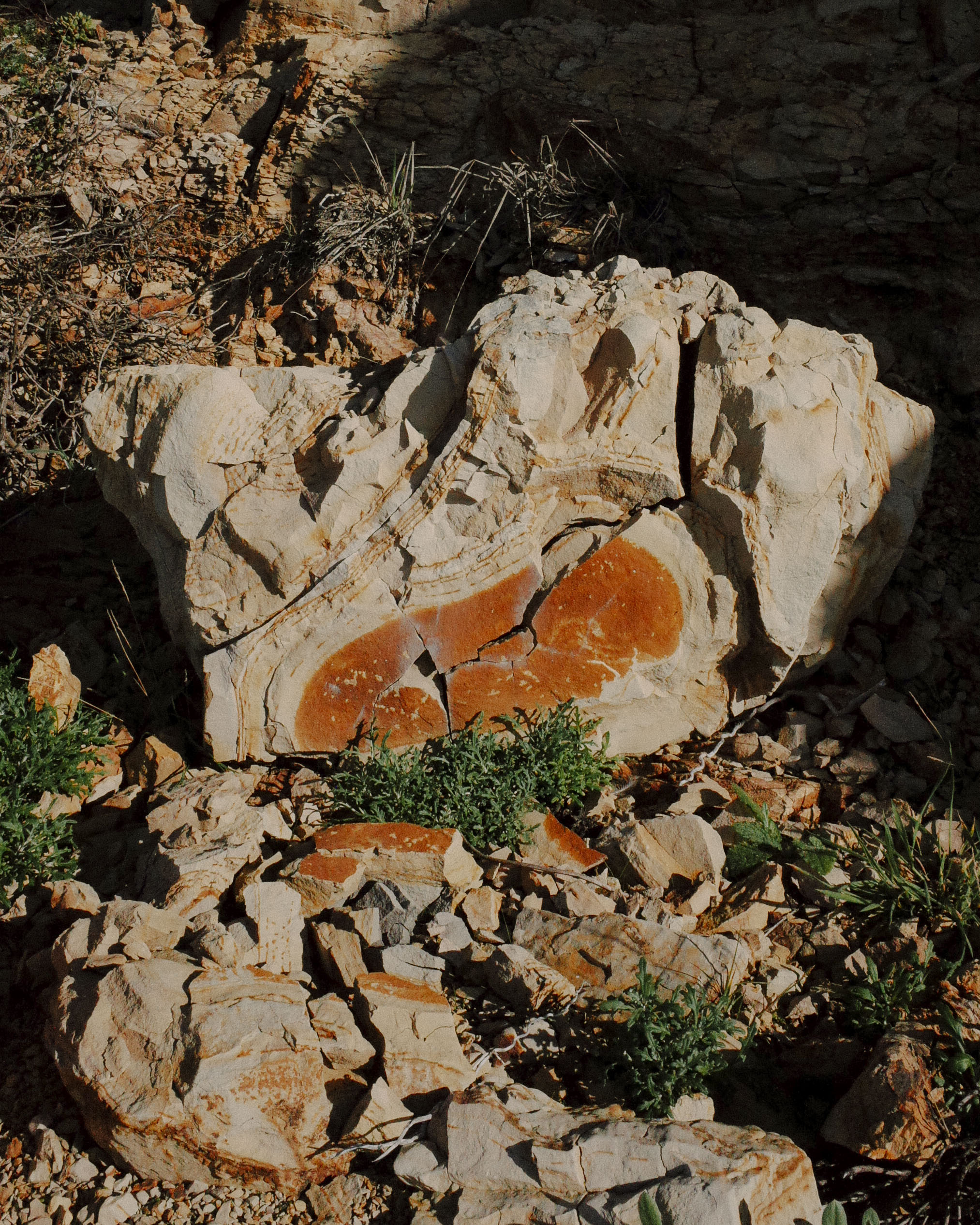
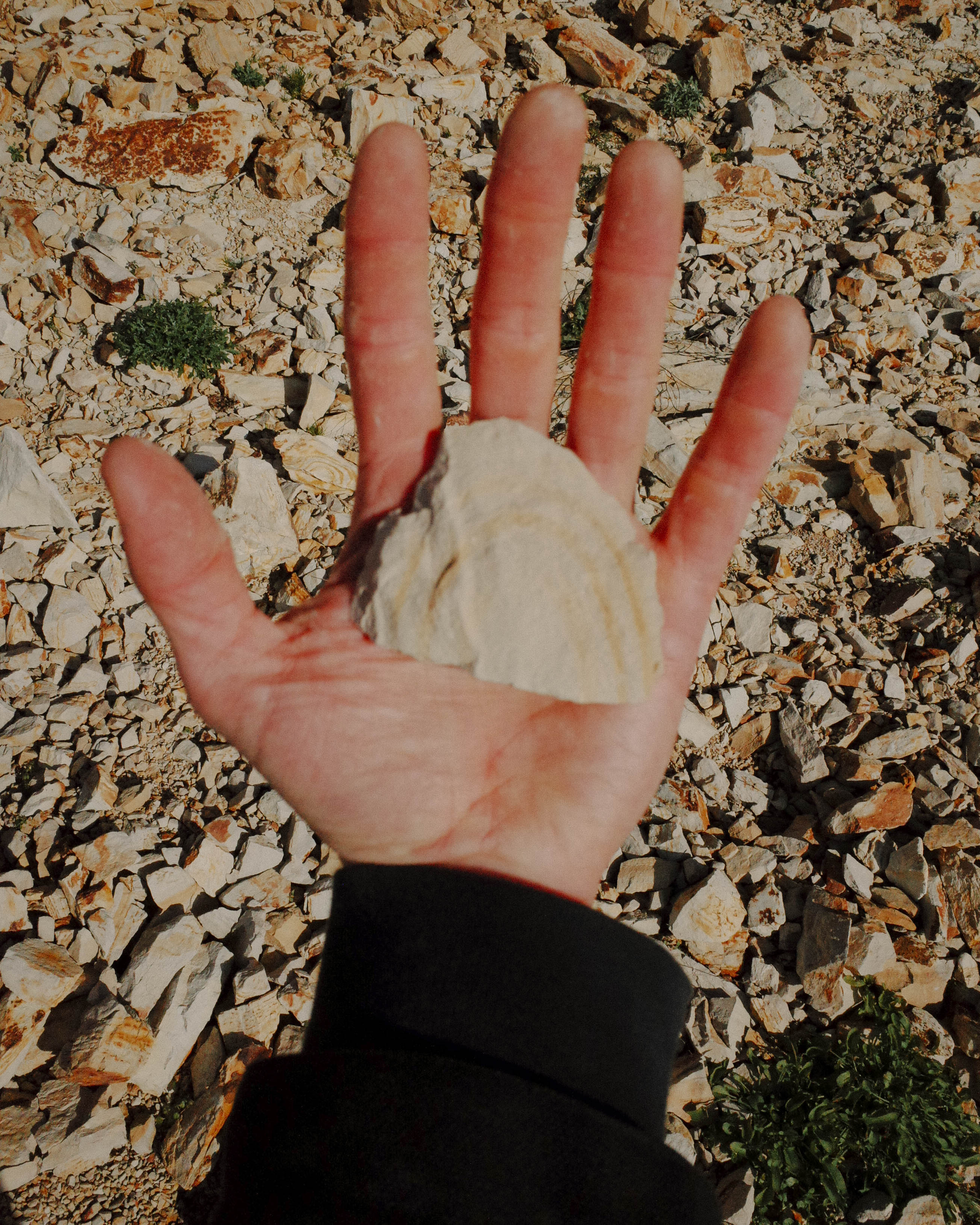
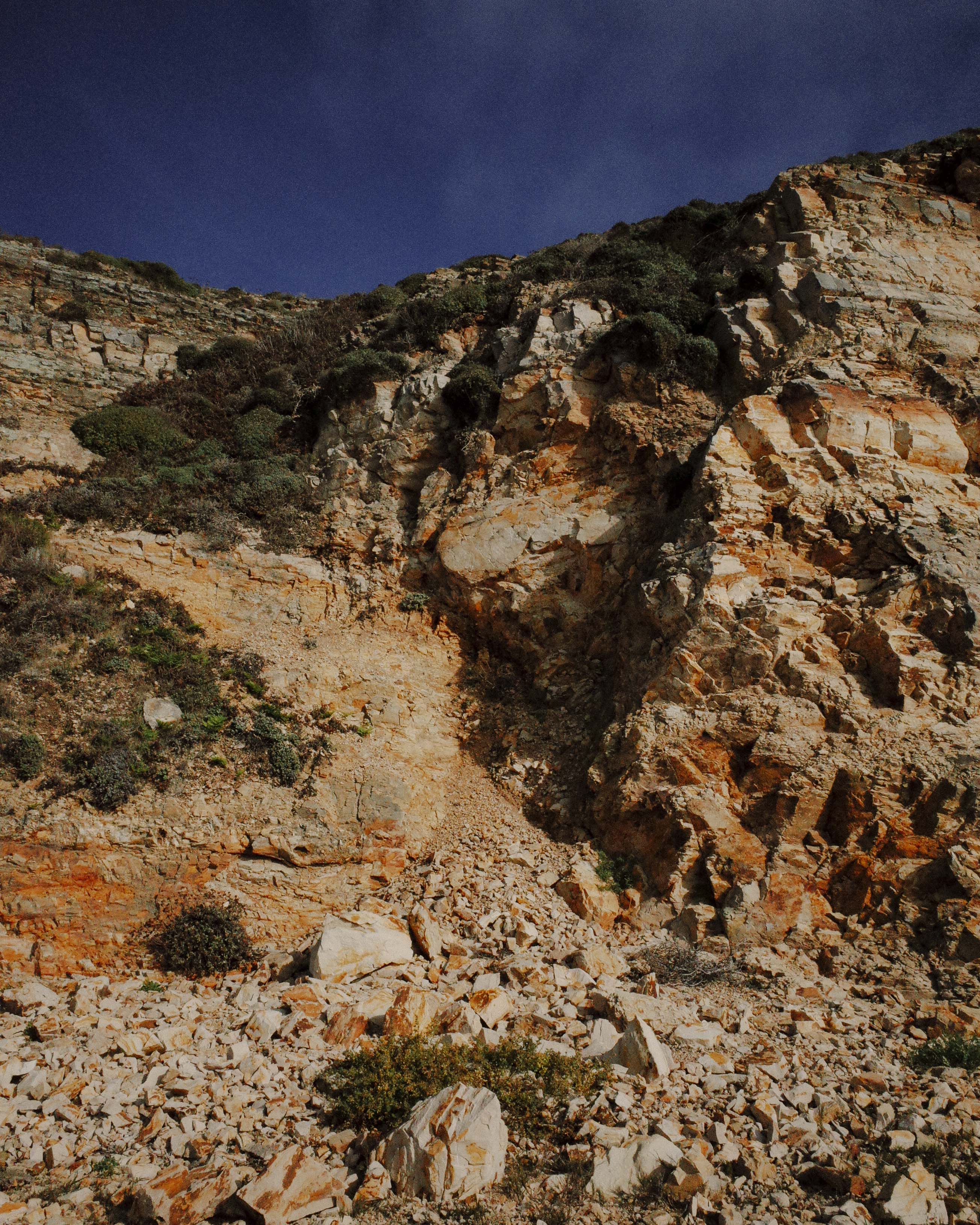
While out near the coast in Northern California, I discovered a large vein of shale that can be processed into wild clay. Shale is a sedimentary rock formed from ancient mud deposits laid down millions of years ago. Because it is clay-bearing, it must be broken down, slaked, and refined before it can be worked by hand.
This material is commonly found along coastal bluffs, where the meeting of land and ocean exposes compressed layers of sedimentary rock. Mudstone and shale are typically identified by their thin horizontal layers and flaky fractures, formed through long periods of compression and weathering. These layered structures influence how the clay behaves as it is processed and formed.
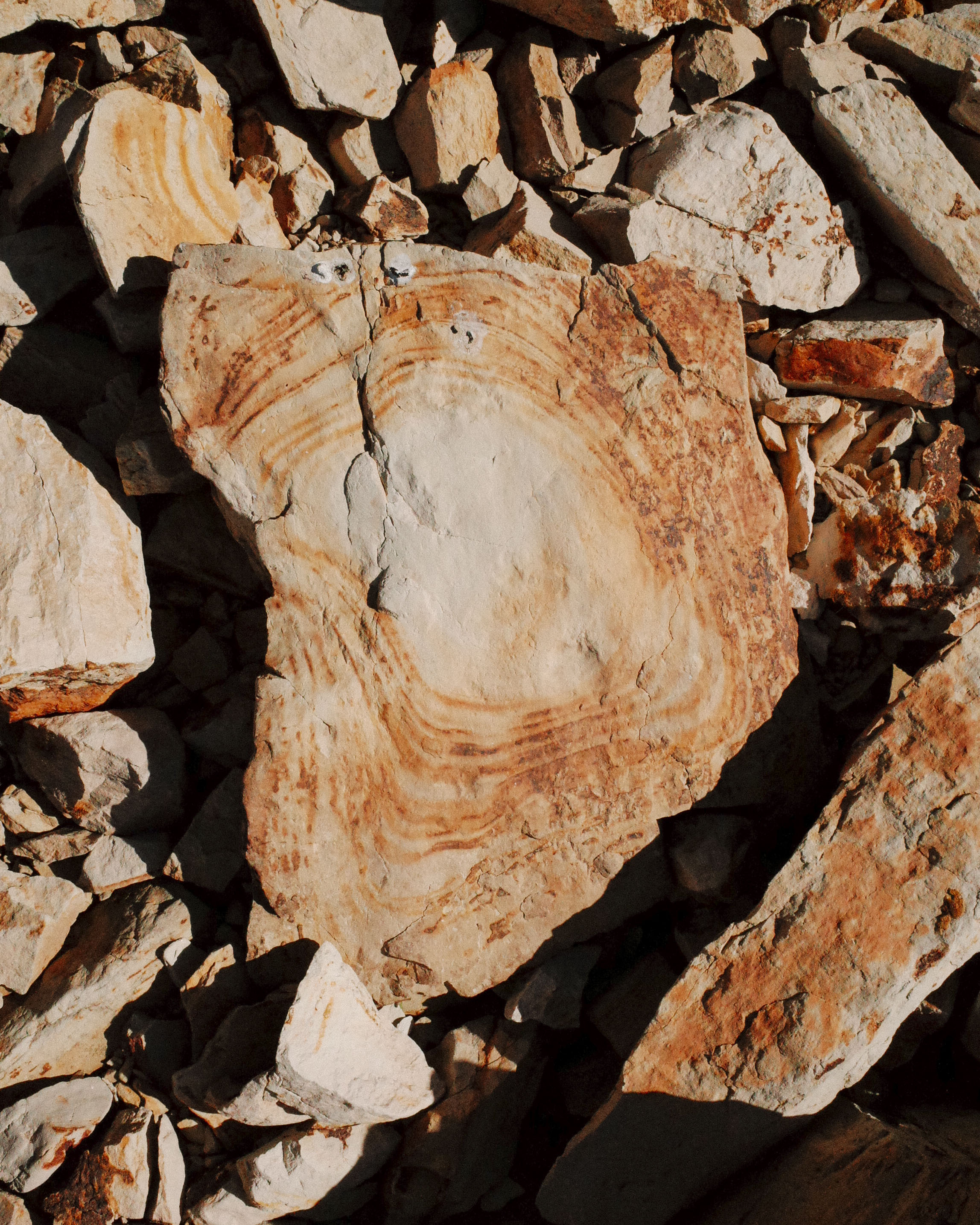
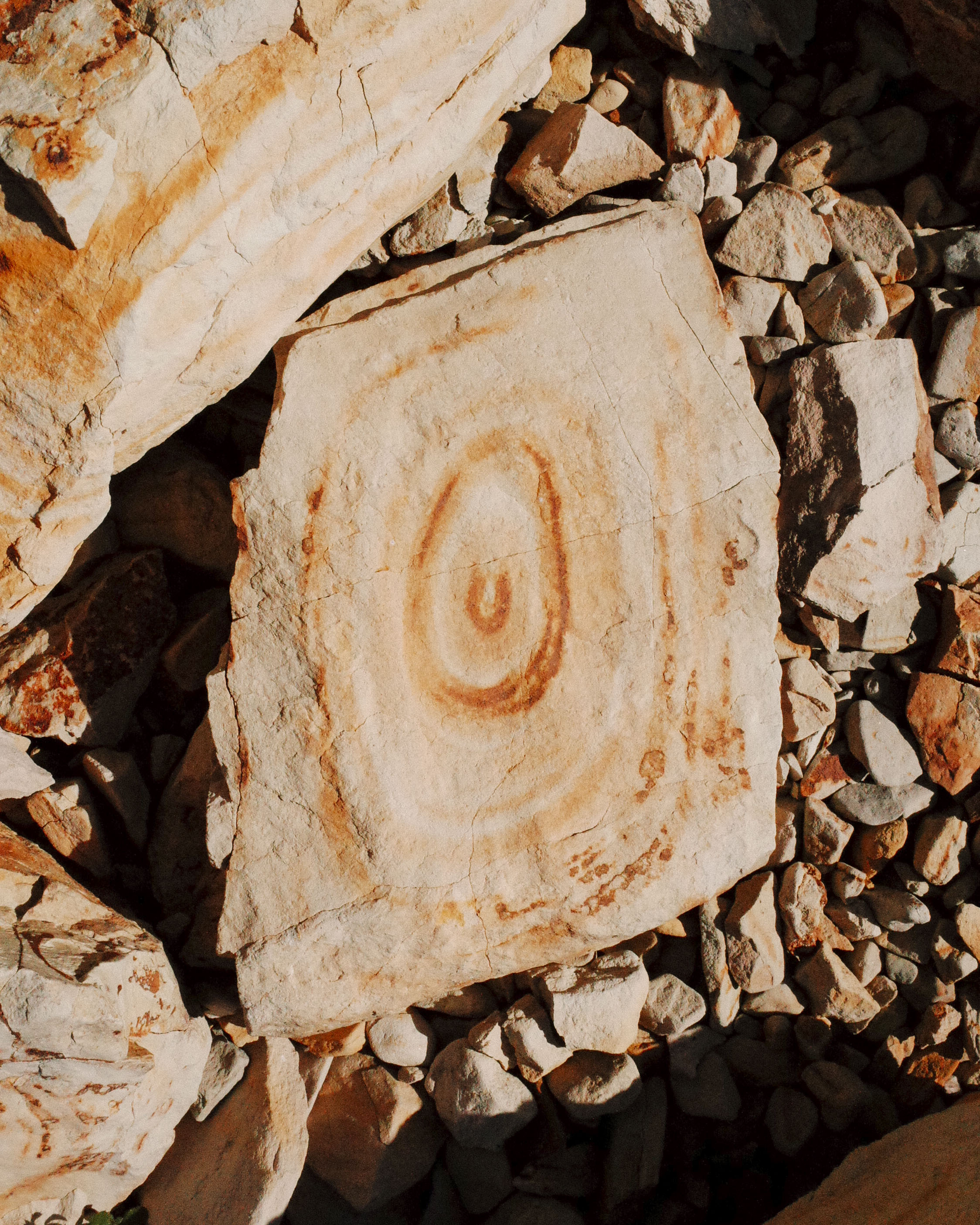
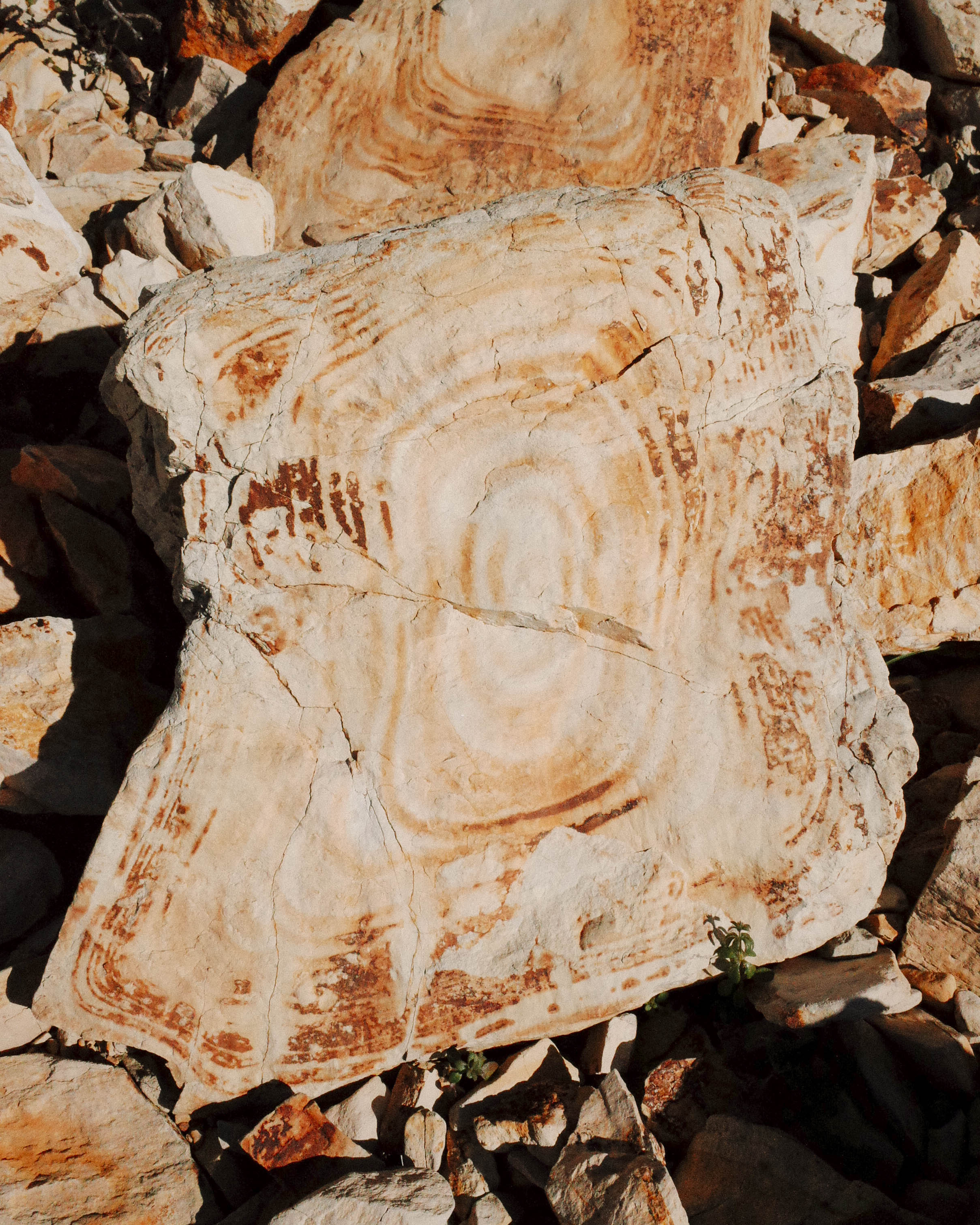
Upon closer inspection, warm iron tones are visible throughout the rock — a characteristic feature of this type of clay-bearing material. In many cases, the iron appears in rings or circular patterns known as banding. These markings are evidence of iron-rich groundwater moving through the sedimentary layers and depositing iron oxides as conditions within the rock changed over time. When fired, the iron responds to heat and atmosphere, subtly altering color and surface, allowing the geological history of the material to remain present in the finished work.