Inyo Valley
December 29, 2025
Materials:
Wild clay, sand, silt
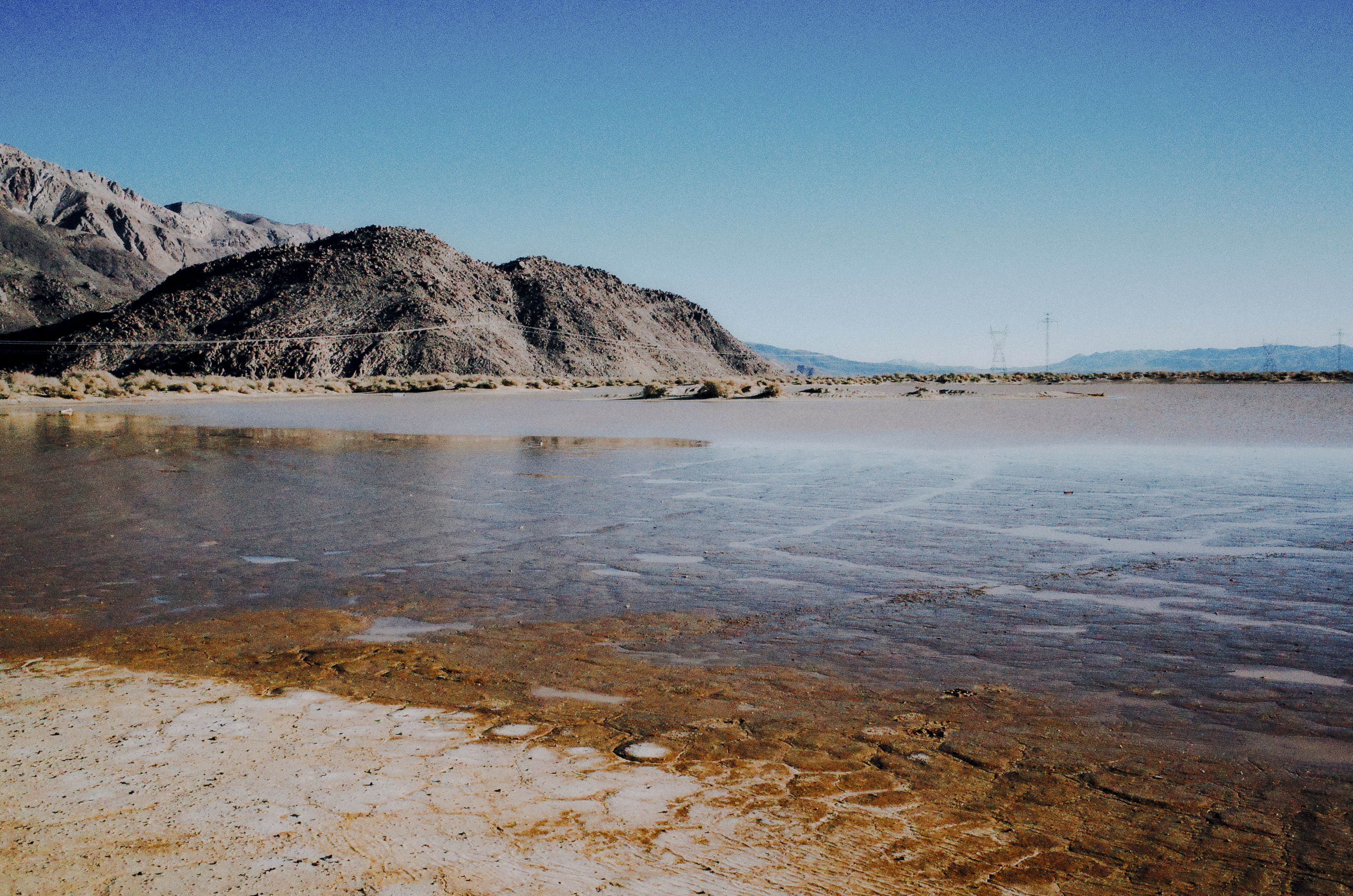
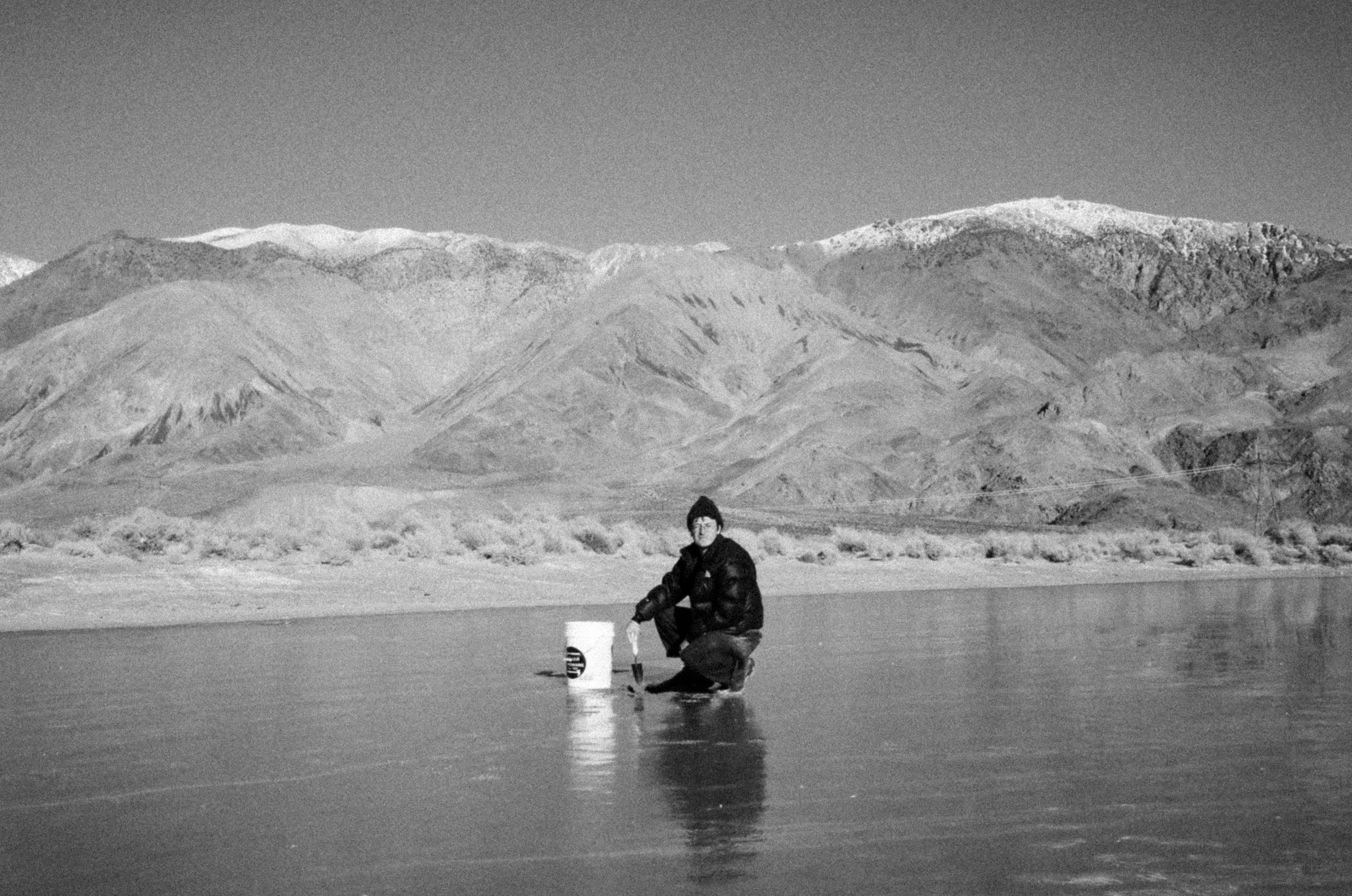
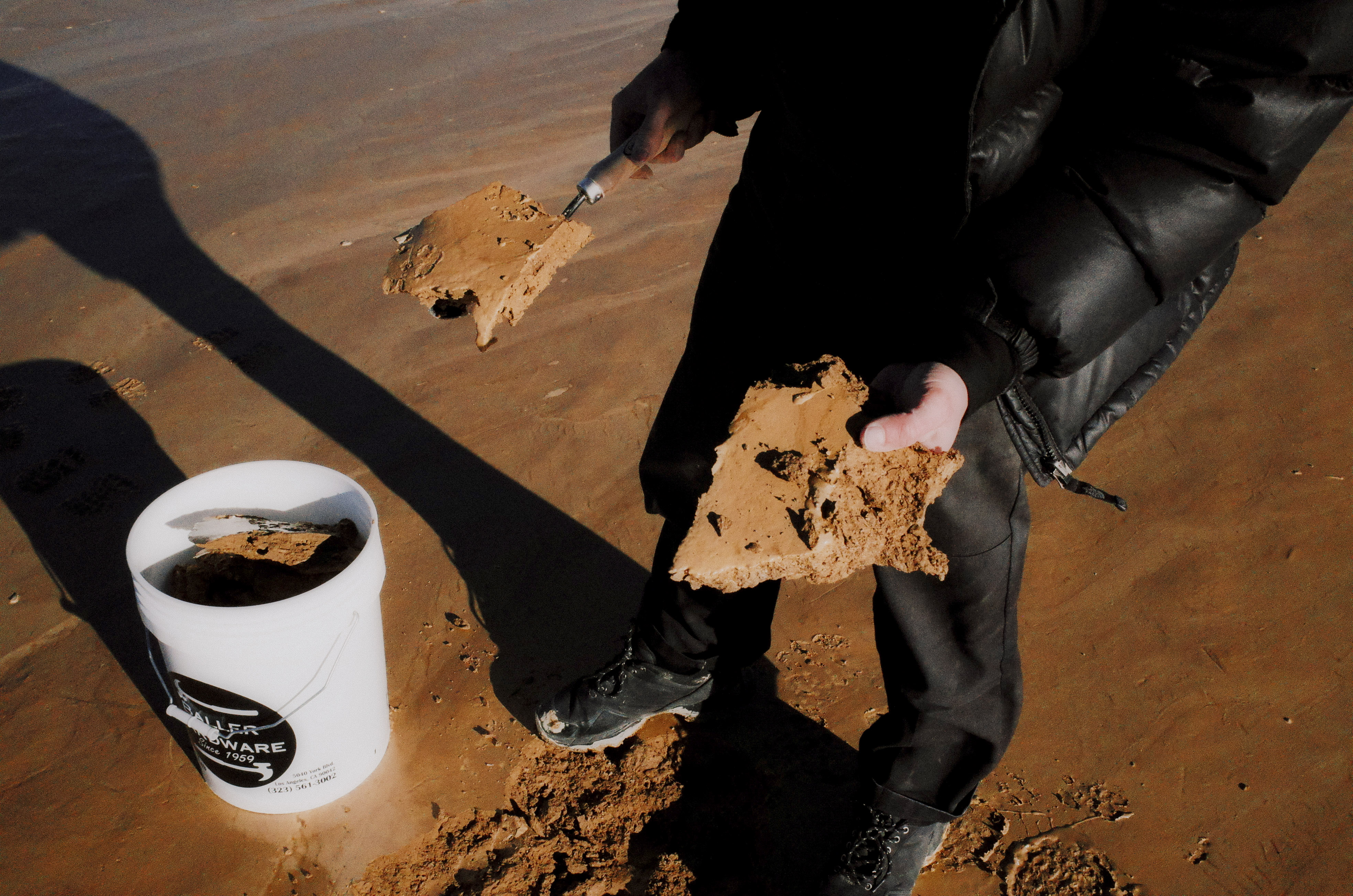
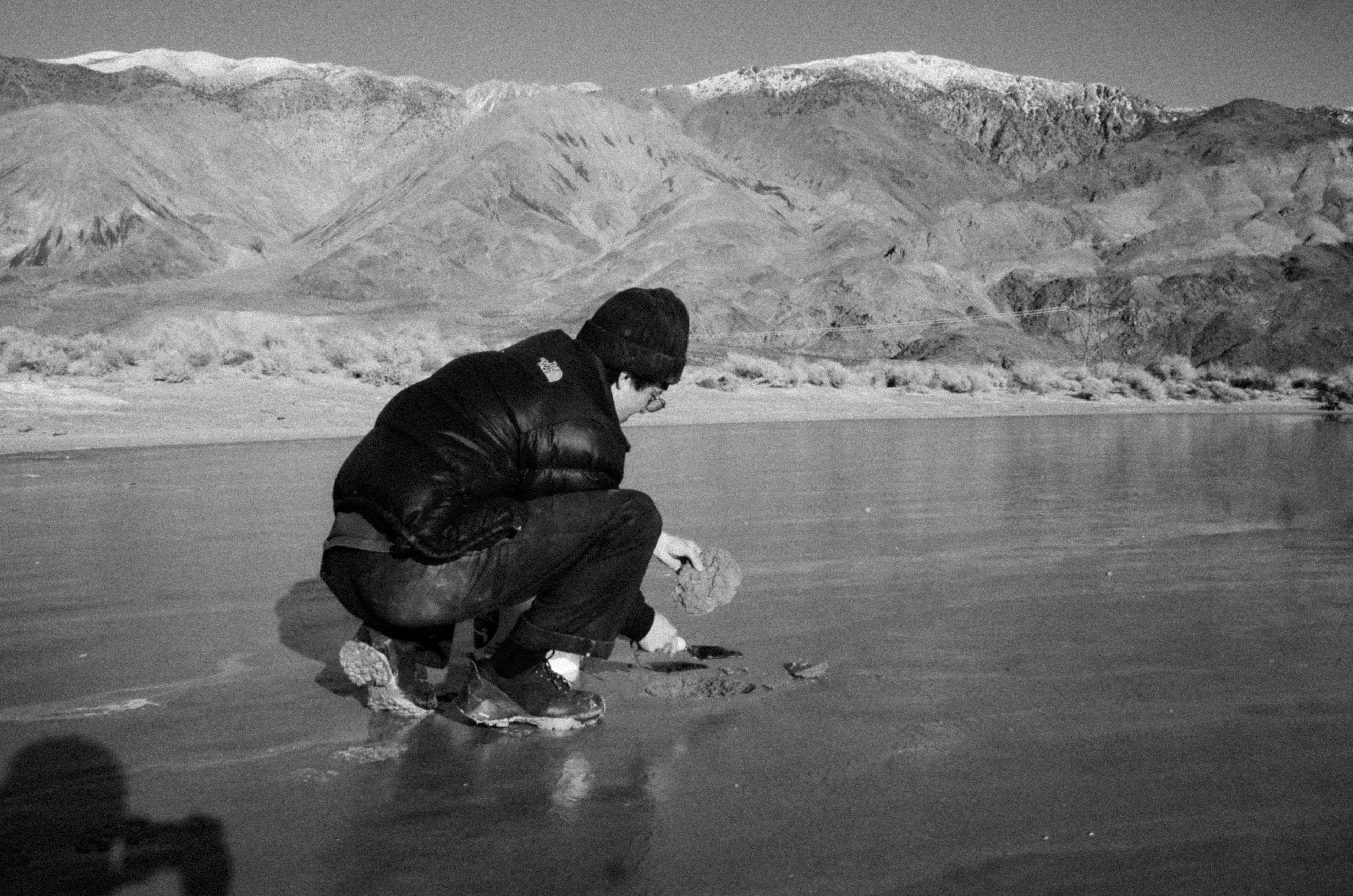
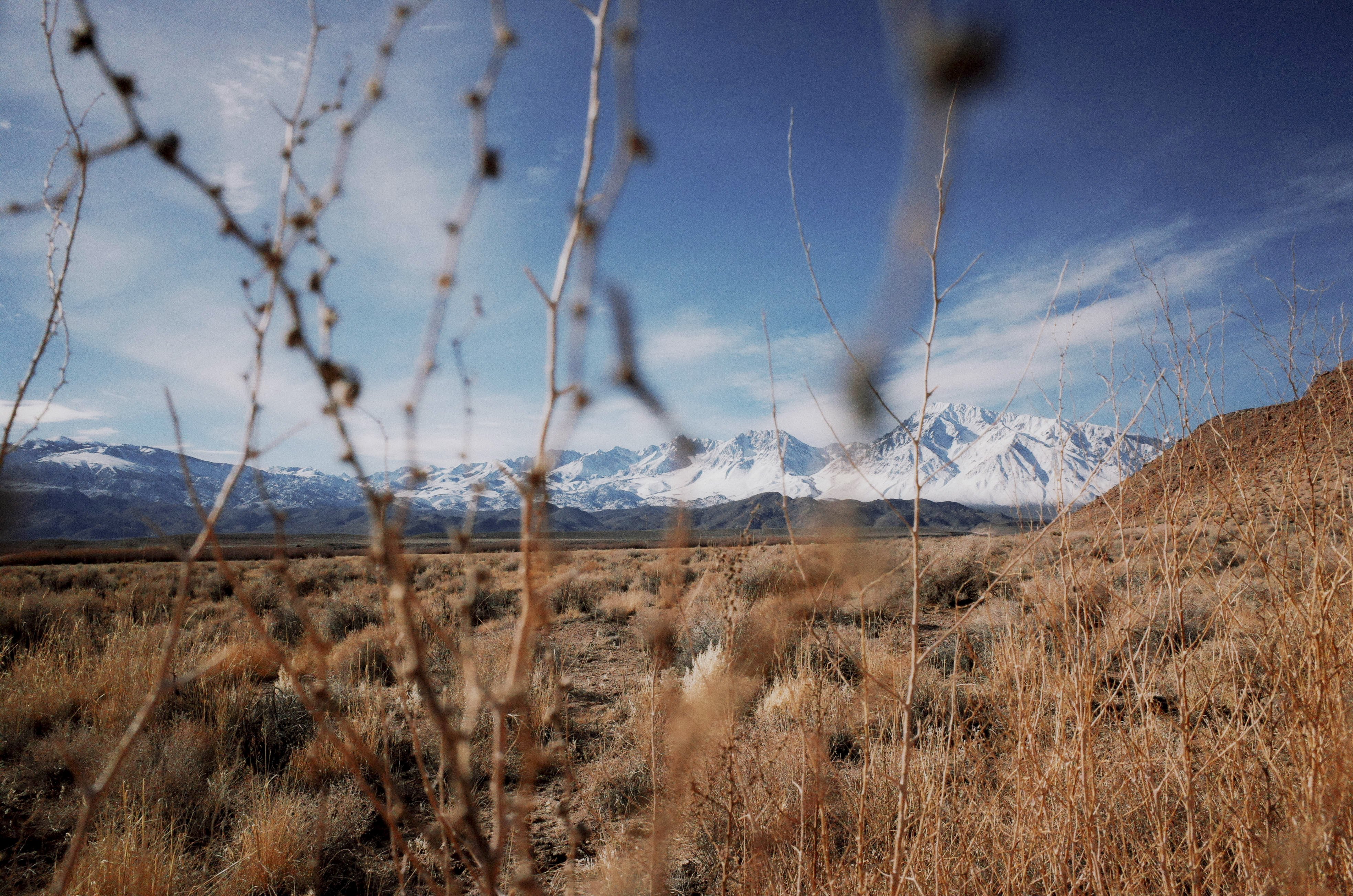
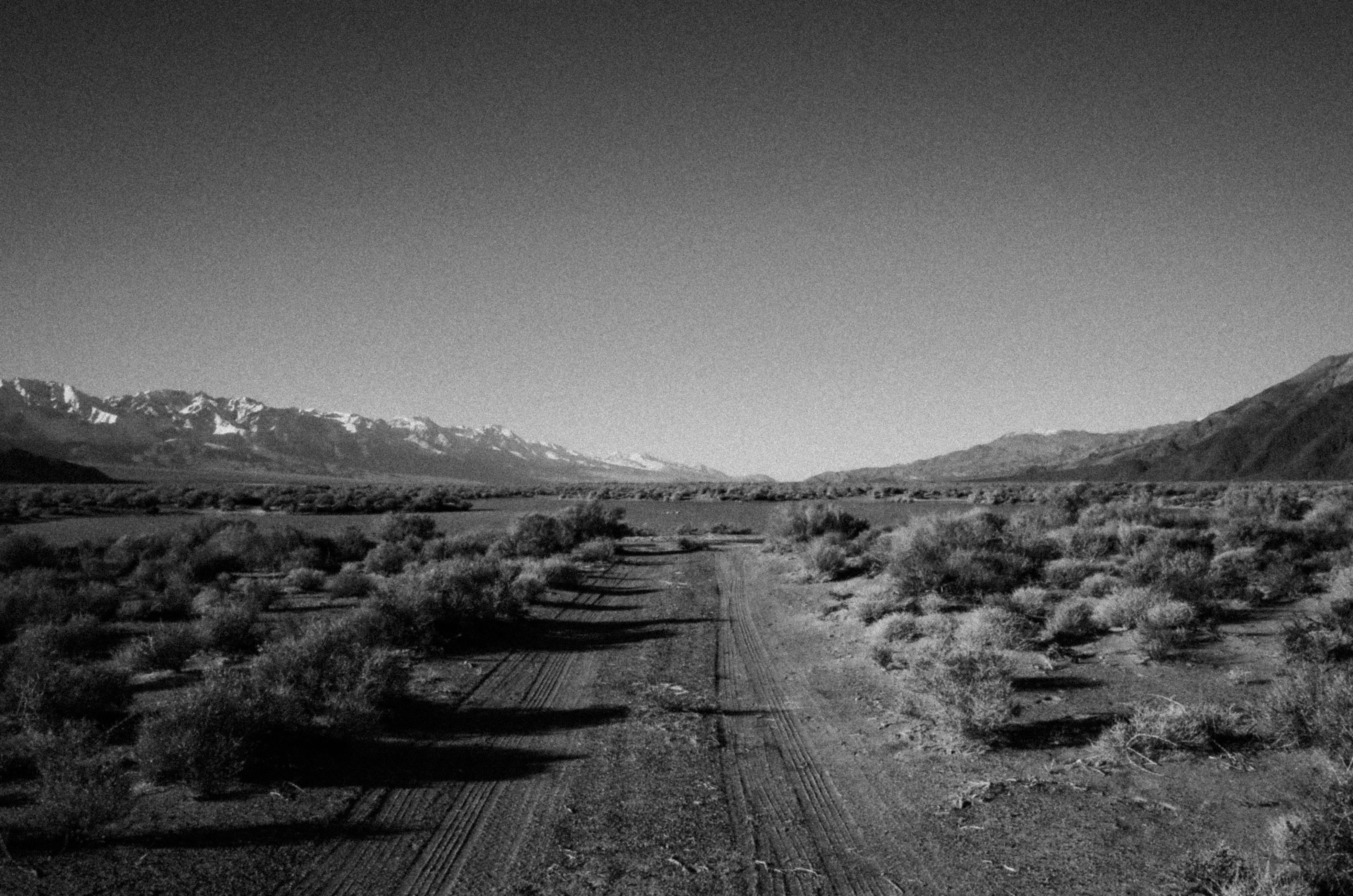
I made the journey into Owens Valley — sometimes informally referred to as Inyo Valley depending on one’s location — with the intention of collecting materials for an upcoming body of work made entirely from wild materials sourced in this region. I loaded my car with buckets, collection tools, and research materials in search of clay. Cross-referencing geological maps, consulting wild clay resources, and closely studying satellite imagery eventually led me to a general area where I believed I would find valley clay.
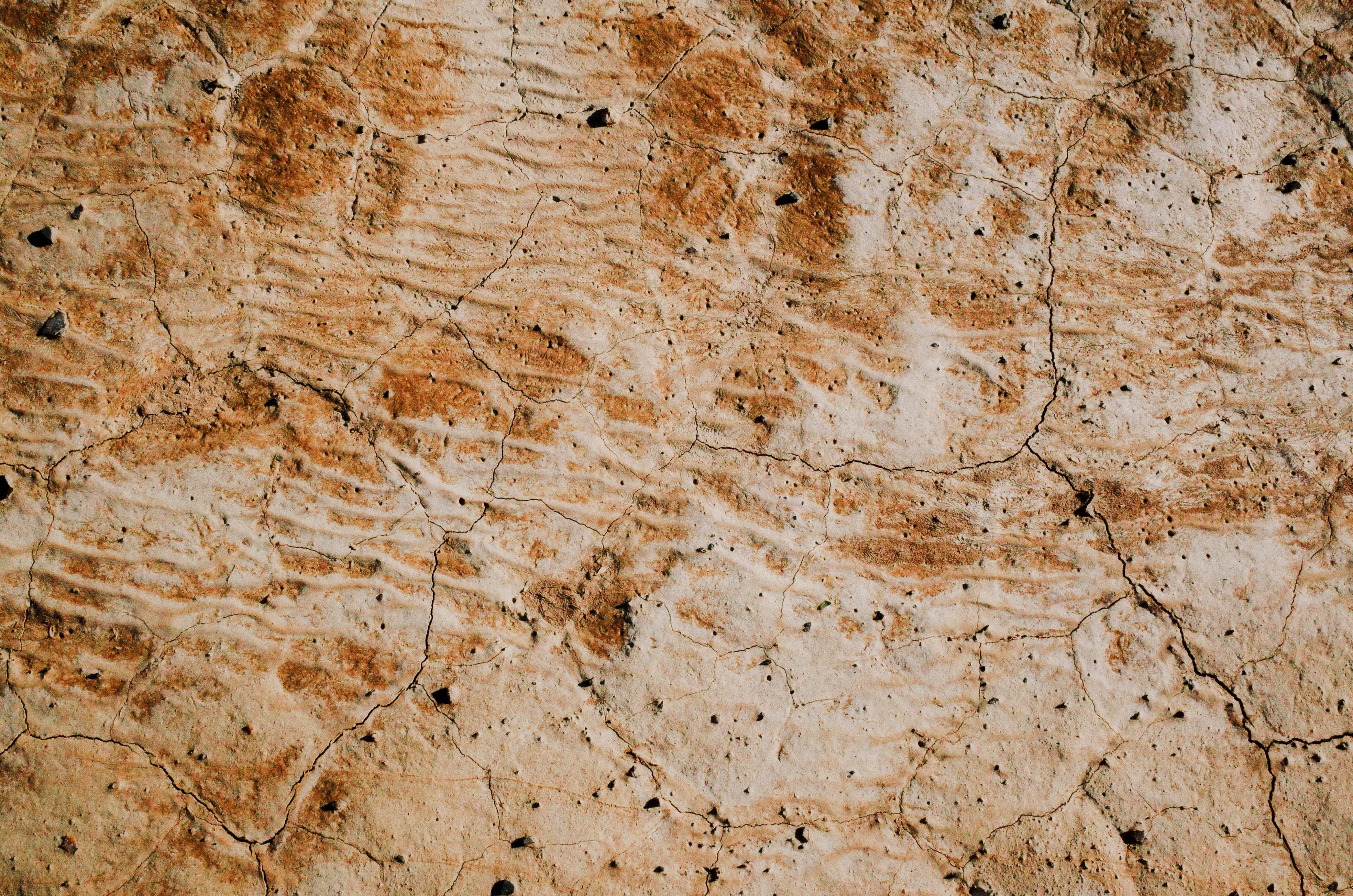
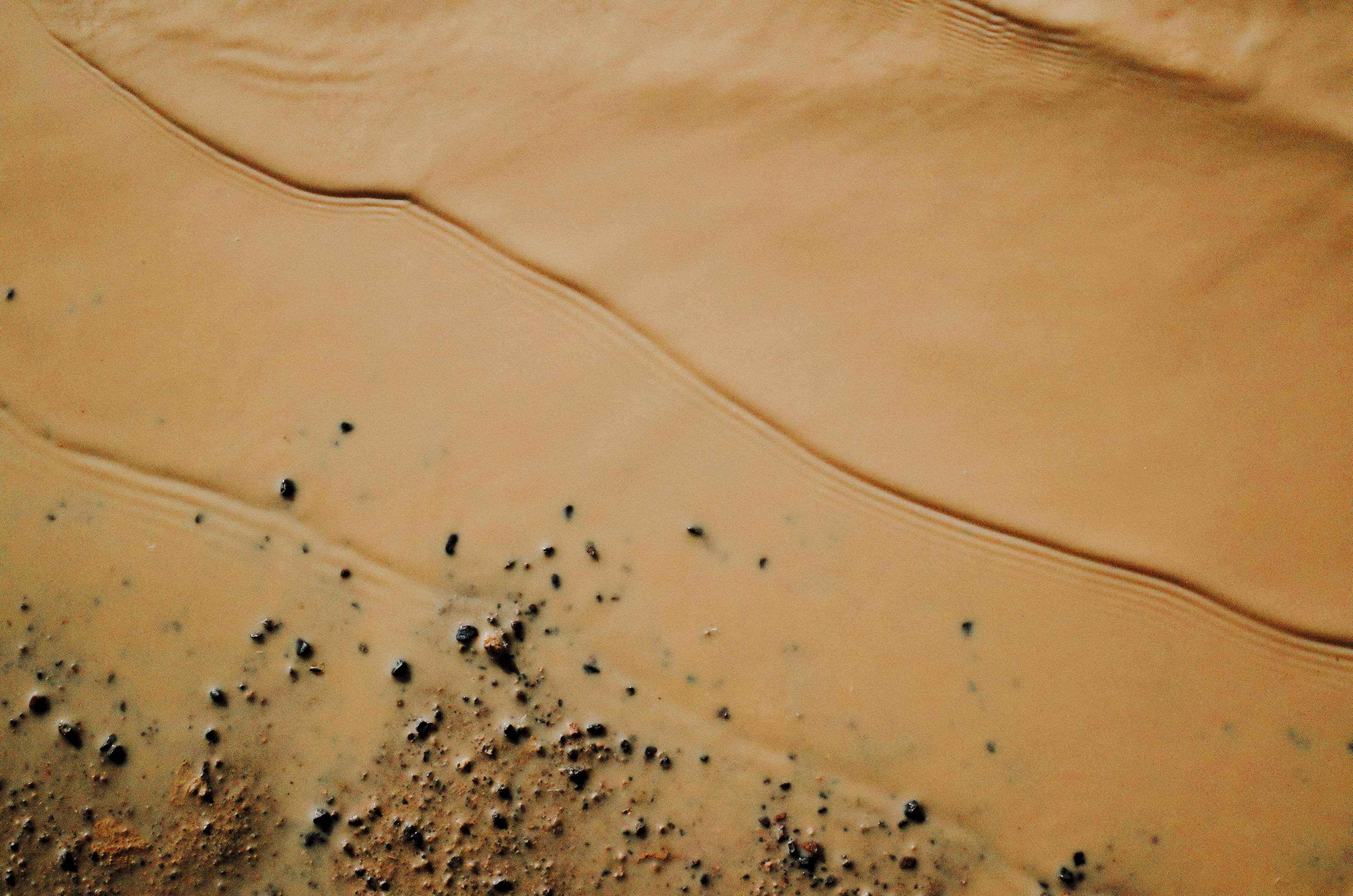
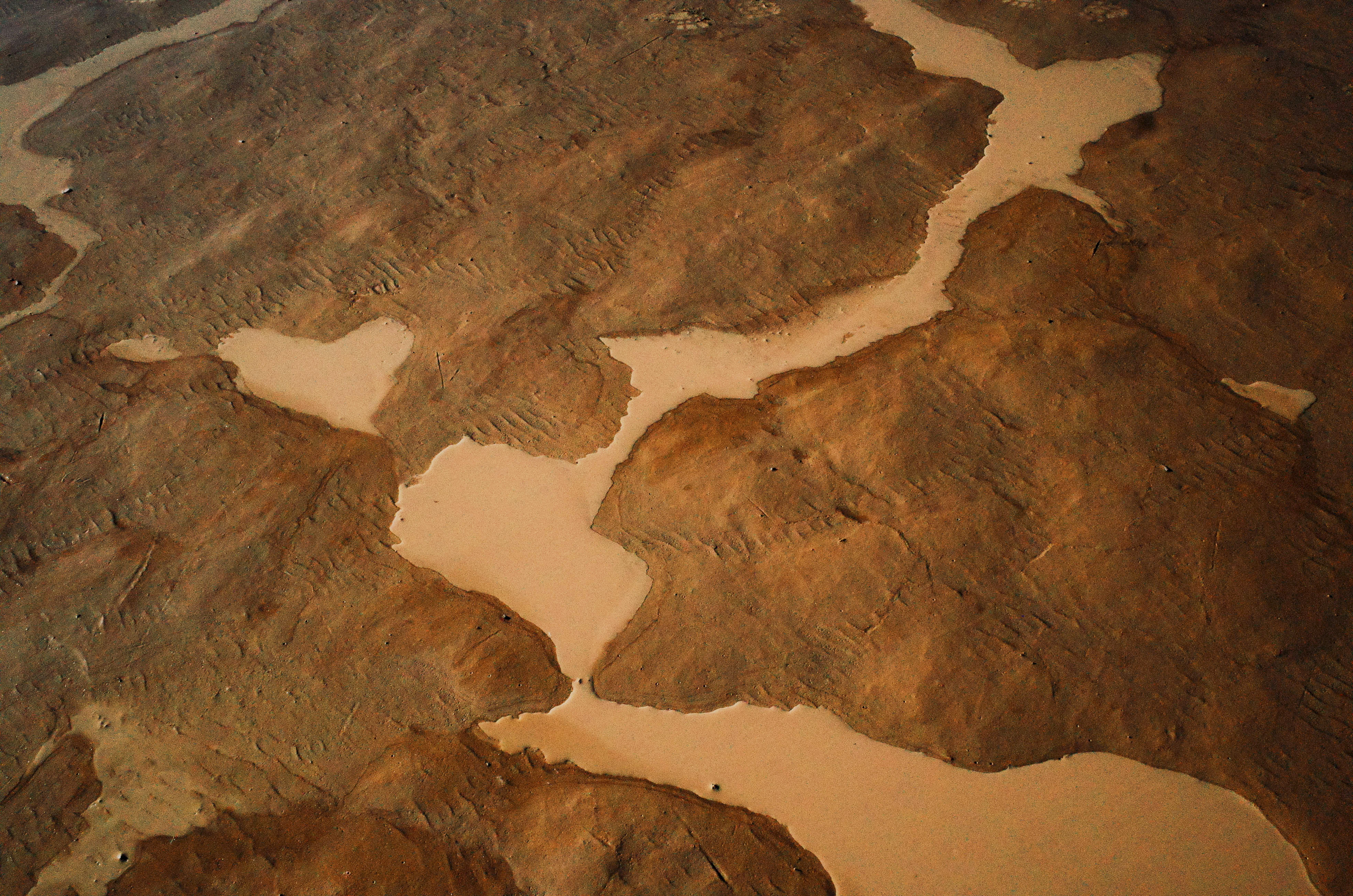
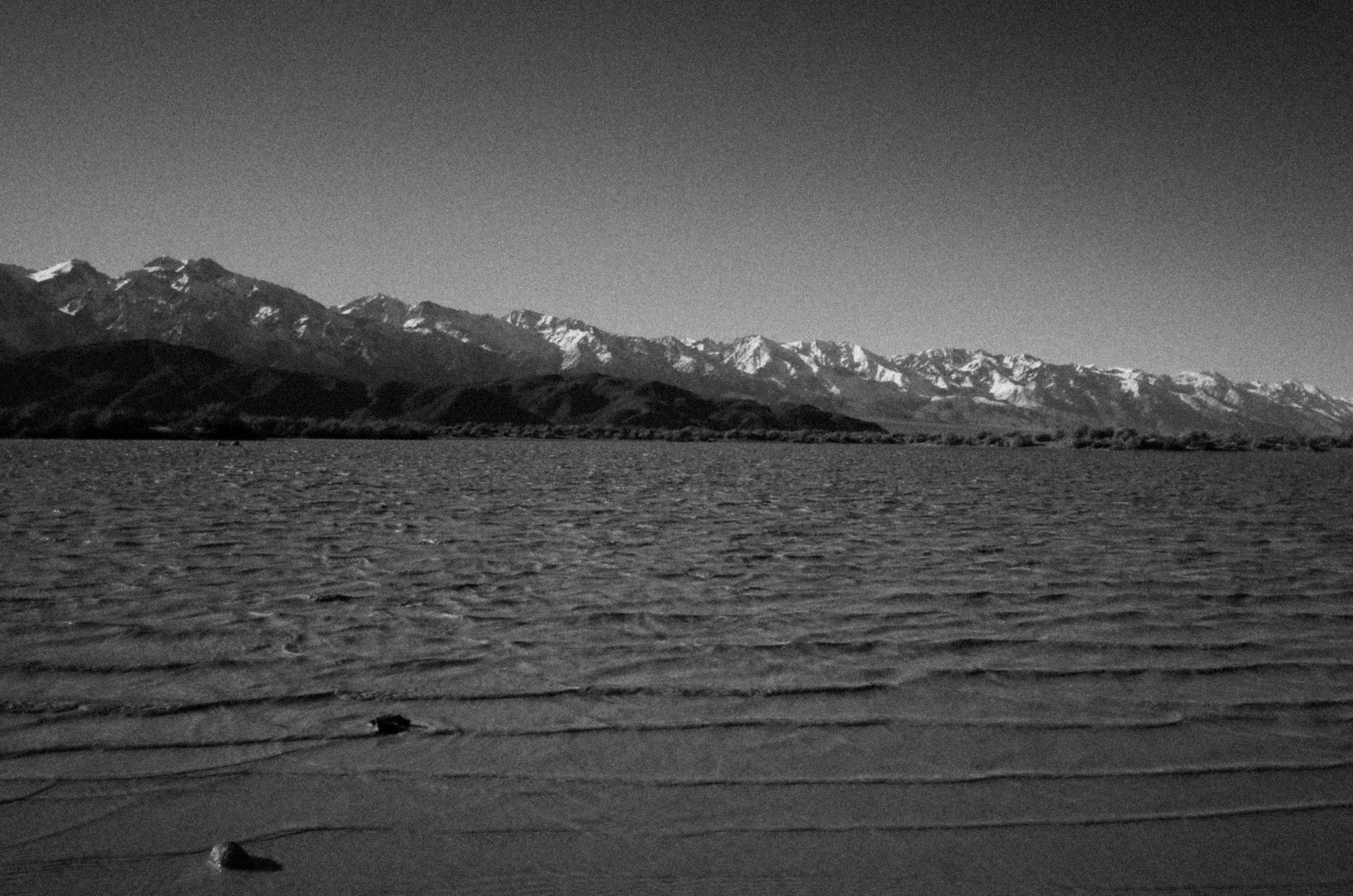
Much of Owens Valley is composed of ancient lakebed deposits, formed as water once pooled and slowly evaporated over thousands of years. In these environments, geological materials naturally separate by particle size, with sand and silt settling first and the finest clay particles remaining suspended the longest before accumulating in dense surface layers. These conditions create ideal sites for wild clay harvesting.
After traveling more than an hour down a dirt road, surrounded by mountains on either side, we eventually encountered the clay in its raw state. At this stage, the material contains a significant amount of sand, which must be screened out before use. Rather than discarding it, the sand is retained and later incorporated as an additive in slips and surface treatments.
Once refined, the clay becomes remarkably workable, providing both plasticity and structural strength. This quality allows for the construction of larger forms while maintaining a direct material connection to the landscape from which the clay was sourced.